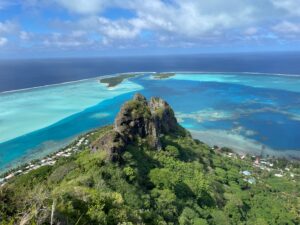
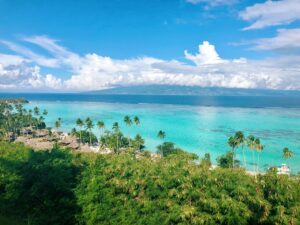
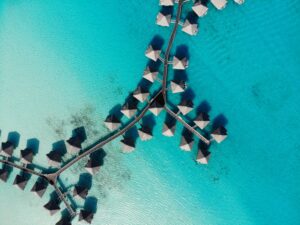
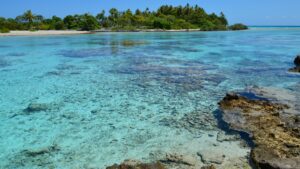
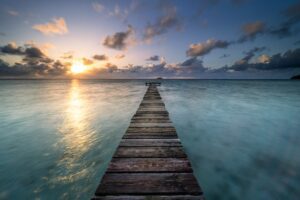
Dreaming of turquoise lagoons, volcanic peaks, and postcard-perfect overwater bungalows? This French Polynesia travel guide walks you through everything you need to plan the perfect island escape—whether you’re heading to Tahiti, Bora Bora, Moorea, or one of the archipelago’s lesser-known gems.
French Polynesia is open to travelers, easy to reach from the U.S. West Coast, and offers a mix of luxury retreats, adventure travel, family-friendly fun, and rich Polynesian culture. Below, you’ll find the best times to visit, where to go, what to do, how to get around, and practical tips to make your trip effortless.
Looking at more than one bucket-list destination? Browse our travel destination guides for practical planning advice, local insights, and travel insurance guidance to help you choose your next unforgettable trip.
Jumping Ahead
 French Polynesia Planning Checklist
Planning a trip to French Polynesia can feel overwhelming —there are dozens of islands, seasonal weather patterns, and logistics to sort out before you even book your flights. To make things easier, we’ve pulled together a simple, downloadable step-by-step checklist that covers the essentials. Use it as your starting point to stay organized, avoid common planning mistakes, and make sure your trip runs smoothly from the moment you start researching to the day you return home.
French Polynesia at a Glance
A quick orientation, especially for first-timers:
- Location: South Pacific, halfway between California and Australia
- Number of islands: 118 islands across 5 archipelagos
- Most visited islands: Tahiti, Moorea, Bora Bora
- Language: French and Tahitian (English widely spoken in tourism areas)
- Currency: CFP franc (XPF)
- Best for: Relaxation, snorkeling/diving, honeymoons, families, adventure
Is French Polynesia open for travel?
Yes—French Polynesia is fully open to visitors. Entry rules are straightforward for most travelers, and there are no COVID-related restrictions or special health passes required as of the latest updates.
If you’re coming from the U.S., you’ll simply need a passport valid for at least six months past your travel dates.
Travel Options Continue to Improve
Air service to French Polynesia has improved steadily. There are now more direct and one-stop flights, especially from Los Angeles. In addition, more inter-island connections are proving more reliable. However, we always recommend booking in advance —especially when traveling during peak season.
Best Time to Visit French Polynesia
French Polynesia has two seasons —but the “best” time depends on your budget and travel style.
Peak Season (June–August)
- Cool nights, perfect for hiking and lagoon tours
- Higher prices and more crowds
Shoulder Seasons (April–May & September–October) — Best Value
- Great weather with fewer crowds
- Often lower resort and flight prices
- Ideal for snorkeling and whale watching (late summer to early fall)
Wet Season (November–March)
- Hotter, more humid, with afternoon rain showers
- Lush scenery, fewer visitors
Where to Go in French Polynesia
Each island offers something different. Here’s how to choose:
Tahiti – The Gateway Island
Great for culture, waterfalls, surfing, and as a convenient starting point.
Best for: Stopover nights, foodies, adventurers.
Moorea – Island Adventure Meets Lagoon Bliss
Easily accessible from Tahiti by ferry. Great hiking, biking, and snorkeling.
Best for: Families, outdoorsy travelers, couples.
Huahine, Raiatea, Taha’a – Culture & Serenity
Less touristy, with traditional villages and vanilla plantations.
Best for: Repeat visitors, culture lovers, peaceful escapes.
Top Things to Do in French Polynesia
Whatever island you pick, these experiences are standouts:
 Snorkel or Dive With Marine Life
French Polynesia is famous for manta rays, sharks, coral gardens, and crystal-clear lagoons.
 Stay in an Overwater Bungalow
It’s a splurge, but there’s nothing like waking up above turquoise water.
 Go on a Lagoon Tour
Jet skis, snorkeling tours, glass-bottom boats, and private motu picnics are everywhere.
 Explore Local Culture
Try:
- Traditional Polynesian dance shows
- Marae (archaeological sites)
 Hike Through Lush Rainforests
Moorea and Tahiti offer some of the region’s best hiking—ridgetop views included.
 Whale Watching (Seasonal)
From July–October, humpback whales migrate through the warm waters—sometimes with calves in tow.
Is French Polynesia family-friendly?
Definitely. Moorea, Bora Bora, and Tahiti all offer:
- Calm lagoons for swimming
Pro Tip: Choose a resort with shallow lagoon access or a kids’ club if traveling with younger children.
French Polynesia Travel Tips
Here are practical insights travelers consistently appreciate as part of their French Polynesia travel guide:
Getting Around
- Inter-island flights: Air Tahiti is the main carrier
- Ferries: Tahiti ↔ Moorea is quick and scenic
- Car rentals: Useful in Moorea and Tahiti
- Scooters: Popular for exploring small islands
Costs
French Polynesia is famously expensive. Ways to save:
- Travel during shoulder seasons
- Book pensions or guesthouses
- Eat at local roulettes (food trucks)
- Choose islands with ferry access
Connectivity
Wi-Fi varies. If you rely on connectivity, get a local SIM or eSIM.
Language
Most resort staff speak English, but learning simple Tahitian phrases is appreciated.
Sustainability in French Polynesia
Sustainable travel is becoming more important to travelers around the world. This means seeking low-impact experiences and meaningful cultural engagement. More operators like hotels, tour companies, and dive outfits in French Polynesia are emphasizing:
- Support for local artisans
- Cultural tours led by community partners
Travel Insurance For French Polynesia
While no longer required, travel insurance is still smart—especially because:
- Medical care on remote islands is limited
- Inter-island medical transfers can be costly
- Weather-related disruptions happen occasionally
- Travel is expensive to French Polynesia, so trip cancellation protection is valuable
Look for policies that include:
- Emergency medical coverage
- Medical evacuation (crucial in remote areas)
FAQs About Traveling to French Polynesia
Do I need a visa to visit French Polynesia? U.S. travelers can visit visa-free for up to 90 days.
Is French Polynesia safe? Yes. Petty crime exists but is rare. Exercise standard precautions.
Can you drink the water? In major islands like Tahiti and Moorea— likely yes, but always check with your accommodations. On remote islands, use bottled water.
How many islands should I visit? Two to three islands are ideal for a 7–10 day trip.
Is French Polynesia good for solo travel? Absolutely—especially Moorea, Taha’a, and Raiatea.
Meagan has spent over eight years at Yonder Travel Insurance mastering the "fine print" so travelers don’t have to. With a background spanning marketing and operations, she specializes in deconstructing complex policy jargon into clear, actionable advice that empowers travelers to explore with confidence. From selecting the perfect plan for a niche itinerary to navigating the intricacies of the claims process, Meagan provides the unbiased, expert travel insurance insights necessary to maximize benefits and minimize risk. By maintaining close partnerships with the travel insurance industry’s top providers, she stays at the forefront of emerging trends, ensuring her readers are always one step ahead of the unexpected.