Choosing Cruise Insurance for International Trips: What Experts Actually Look For
February 10, 2026 - Meagan Palmer
At Yonder, we know the stakes are high for choosing cruise insurance for international trips. International sailings stack the odds against you: multiple countries, tight port schedules, and medical care that might be hundreds of miles away. Pick the wrong plan, and you’ll feel it fast, usually when time is short and costs are high. In this article, we’re taking a deep dive into the ‘Curation Checklist’ our travel insurance experts use to vet every policy we recommend for cruisers.
Quick Answer
If you’re choosing cruise insurance for international trips, focus on four deal-breakers used as Yonder’s standards for cruise plans: high medical evacuation limits for remote waters, a Missed Connection benefit with a low hour threshold (around 3 hours), cancellation protections that cover real-life curveballs, and Financial Default coverage if you booked far ahead.
Key Takeaways
International cruises have unique fail points: Embarkation logistics, remote medical evacuations, and tight port schedules can turn small hiccups into expensive problems.
Medical evacuation limits matter more at sea: A helicopter evacuation from a ship to a land-based hospital can cost $50,000 to $100,000+.
Missed embarkation gets expensive fast: A last-minute flight to the next port of call can run $1,000–$3,000 per person, plus hotel and local transport.
Not every plan makes the cut: Yonder filters out plans that don’t meet “Blue Water” requirements for international cruising.
Shop for benefits, not vibes: Financial Default, low-threshold Missed Connection, high evac limits, and broader cancellation reasons are the big four.
International cruises look easy on a brochure. Fly in, board, relax, repeat.
The reality is more like a relay race across borders, airports, ports, and time zones. Your ship won’t wait. Local hospitals vary wildly. And once you’re offshore, “just call an ambulance” stops being a thing.
Here’s why this type of trip breaks average travel insurance:
Multiple jurisdictions: Your care might start in one country, continue in another, and end in the U.S. or your home country.
Remote waters: “International voyage” can mean you’re hundreds of miles from a trauma center with the right equipment.
Tight schedules: Miss embarkation and you’re suddenly buying expensive flights and hotels just to catch up.
Big prepaid costs: International cruises are often booked far in advance, with chunky deposits and strict cancellation penalties.
Yonder’s angle is simple: not every plan makes the cut. A lot of plans look fine until you pressure-test them against the actual ways cruises go sideways.
“Cruises don’t fail like land trips. Our job is to filter out the plans that look good on paper but don’t hold up when you’re chasing a ship or trying to get care offshore.” — Terry Boynton, Co-Founder and President, Yonder Travel Insurance
Taking a smaller ship through Europe’s inland waterways? The risks are different. Read our European River Cruise Insurance Guide for that specific advice.
How Yonder Evaluates Coverage for Cruise Trips (and How to Use the Same Filters)
If you remember nothing else, remember this: you’re not just buying insurance, you’re buying the ability to recover when the cruise itinerary doesn’t care about your bad luck. The good news is that Yonder’s done the hard work for you by vetting plans well-suited for cruise trips.
If you’re over 65, these factors still apply, but you’ll also want to see our Senior Cruise Insurance Guide for age-specific medical nuances.
Below are the four filters we use to curate plans for international cruising.
Why Medical Evacuation Limits Matter More at Sea
If you get seriously sick or injured on land, you may need an ambulance ride across town.
At sea, the upgrade is dramatic.
A helicopter evacuation from a ship at sea to a land-based hospital can cost $50,000 to $100,000+, which is significantly higher than land-based transport. And that’s before the rest of the medical bill even begins.
When you’re choosing cruise insurance for international trips, you want a plan built for that reality. Look for:
High emergency medical evacuation limits that match offshore risk, not just “vacation in a city” risk
24/7 assistance services that can coordinate evacuation logistics, hospital admissions, and medical transport
Clear definitions of what triggers evacuation and who decides it (this is where wording matters)
Also, think about where you’re going. Remote areas can mean limited facilities, long transport times, and fewer options if you need specialized care.
External resources worth scanning before you travel:
Review destination-specific guidance using the U.S. State Department’s official country information on passports, entry rules, and local conditions
If a plan’s evacuation benefit sounds generous but the fine print says transport is only to the “nearest adequate facility,” you should pause. “Adequate” can be a low bar in remote regions. For international cruises, Yonder can suggest plans that are designed to get you to the right level of care, not the closest building with a bed.
Why Missed Connection Coverage Is a Cruise Deal-Breaker
Cruise days are scheduled down to the minute. Airports are not.
If your flight delay causes you to miss embarkation, you’re not just late. You’re suddenly trying to catch a moving hotel that has strict port clearance rules.
And the costs can bite hard: if you miss your embarkation in a foreign country, a last-minute flight to the next port of call can cost $1,000–$3,000 per person, plus hotel and transport.
That’s why we look for a Missed Connection benefit with a low hour threshold, such as 3 hours. Many plans require a longer delay before benefits trigger, which is a problem when your ship departs at 5 p.m. whether your plane lands or not.
When you compare plans, focus on:
Trigger threshold: 3 hours is a strong benchmark for cruise logistics
Covered reasons: Common carriers delays, weather disruptions, mechanical issues
Covered expenses: Added transportation to catch the ship, lodging, meals
Proof requirements: What documents you need from the carrier
Why Cruise Line Insolvency Is a Real Risk When Booking in Advance
International cruises are often booked a year out. Sometimes longer. That’s normal. It’s also a risk.
If the cruise line or travel supplier goes under, the question becomes: do you get your prepaid money back, or are you stuck trying to untangle refunds in someone else’s bankruptcy timeline?
That’s where Financial Default coverage comes in. Not all plans offer it, but if they do, it’s usually a covered event under Trip Cancellation benefits.
Pro Tip
When you make your first cruise deposit, start your insurance clock. Many plans that offer Financial Default require purchase soon after that first payment. If you wait until final payment, you might be too late for one of the most valuable protections on an expensive, long-lead international sailing.
Most travelers think cancellation coverage is just for illness. Real life is messier, though, and many travelers cancel for a plethora of reasons beyond sickness.
When you’re choosing cruise insurance for international trips, you want cancellation that reflects the way trips actually get derailed. Yonder looks for plans that go beyond “you got sick” and include broader, practical triggers. We aim to recommend plans to cruisers that offer a minimum of 20 different covered cancellation events.
If you want even broader flexibility, some travelers consider Cancel For Any Reason (CFAR) options. We have a dedicated article on CFAR coverage that describes the benefits and eligibility requirements in more depth.
Expert Advice
Don’t just ask, “Does it cover cancellation?” Ask, “What exact reasons are covered, and what proof do I need?” For cruise claims, paperwork is everything: physician notes, employer letters, and invoices. The best coverage in the world won’t help if the policy demands documentation you can’t realistically obtain.
Fast Recap: Stress-Testing Coverage Against Cruise Risks
The fastest way to avoid a bad match is to pressure-test your plan against the four Blue Water filters.
Blue Water Risk
What to Look For
Why It Matters
Remote medical emergency
High medical evacuation limit and strong assistance services
Helicopter evac offshore can cost $50,000 to $100,000+
Flight delay, missed embarkation
Missed Connection with low threshold, around 3 hours
Rebooks can be $1,000–$3,000 per person, plus hotel and transport
Supplier goes under
Financial Default coverage, with purchase timing that fits your booking
Protects big prepaid costs booked far in advance
How to Read the Fine Print Without Getting Lost
You don’t need to read every page like a lawyer. You do need to spot the common tripwires.
Here are the practical checks that help you avoid the plans we filter out:
Definitions section: Look up what the policy means by “medical necessity,” “pre-existing condition,” “common carrier,” and “reasonable and customary.”
Benefit triggers: What delay length triggers Missed Connection or Trip Delay? Is it 3 hours, 6 hours, 12 hours?
Exclusions: Adventure activities, intoxication language, and non-covered reasons can be surprisingly broad.
Purchase timing rules: Financial Default and some waiver-style provisions can be time-sensitive.
Coordination requirement: Some policies require you to call assistance services before arranging evacuation or certain care, except in emergencies.
FAQs
Does cruise travel insurance cover medical care in foreign countries?
Yes! Many plans include emergency medical coverage that can reimburse eligible expenses abroad, but be sure to look into what types of documentation you’ll need to submit with your medical claim.
What should you prioritize when evaluating coverage for an international cruise?
Experts at Yonder Travel Insurance recommend prioritizing high medical benefits, a plan with extensive cancellation reasons, missed connection coverage with low hour thresholds, and financial default coverage.
Why evacuation limits can make or break coverage on international cruises.
A helicopter evacuation from a ship at sea to a land-based hospital can cost $50,000 to $100,000+, and additional transport may be needed after that. That’s why Yonder prioritizes plans with higher evacuation limits for international cruising.
What coverage applies if you miss embarkation on a cruise?
Some plans can cover eligible additional transportation and related expenses, but only if you meet the policy’s conditions. Costs can be steep, a last-minute flight to the next port of call can cost $1,000–$3,000 per person, plus hotel and transport, so it’s worth choosing a plan with a Missed Connection benefit that triggers quickly and clearly.
What Financial Default coverage is designed to protect against.
Financial Default coverage can help protect prepaid trip costs if a travel supplier, such as a cruise line, becomes insolvent. If you’re booking an expensive international cruise far in advance, this benefit can be a smart filter, especially because not every plan includes it and some require purchase shortly after your first trip deposit.
Meagan has spent over seven years at Yonder Travel Insurance mastering the "fine print" so travelers don’t have to. With a background spanning marketing and operations, she specializes in deconstructing complex policy jargon into clear, actionable advice that empowers travelers to explore with confidence. From selecting the perfect plan for a niche itinerary to navigating the intricacies of the claims process, Meagan provides the unbiased, expert travel insurance insights necessary to maximize benefits and minimize risk. By maintaining close partnerships with the travel insurance industry’s top providers, she stays at the forefront of emerging trends, ensuring her readers are always one step ahead of the unexpected.
Lorem ipsum dolor sit amet, consectetur adipiscing elit, sed do eiusmod tempor incididunt ut labore et dolore magna aliqua. Ut enim ad minim veniam, quis nostrud exercitation ullamco laboris nisi ut aliquip ex ea commodo consequat. Duis aute irure dolor in reprehenderit in voluptate velit esse cillum dolore eu fugiat nulla pariatur. Excepteur sint occaecat cupidatat non proident, sunt in culpa qui officia deserunt mollit anim id est laborum
Departure Date Info
Lorem ipsum dolor sit amet, consectetur adipiscing elit, sed do eiusmod tempor incididunt ut labore et dolore magna aliqua. Ut enim ad minim veniam, quis nostrud exercitation ullamco laboris nisi ut aliquip ex ea commodo consequat. Duis aute irure dolor in reprehenderit in voluptate velit esse cillum dolore eu fugiat nulla pariatur. Excepteur sint occaecat cupidatat non proident, sunt in culpa qui officia deserunt mollit anim id est laborum
Return Date Info
Lorem ipsum dolor sit amet, consectetur adipiscing elit, sed do eiusmod tempor incididunt ut labore et dolore magna aliqua. Ut enim ad minim veniam, quis nostrud exercitation ullamco laboris nisi ut aliquip ex ea commodo consequat. Duis aute irure dolor in reprehenderit in voluptate velit esse cillum dolore eu fugiat nulla pariatur. Excepteur sint occaecat cupidatat non proident, sunt in culpa qui officia deserunt mollit anim id est laborum
State of Residence Info
Lorem ipsum dolor sit amet, consectetur adipiscing elit, sed do eiusmod tempor incididunt ut labore et dolore magna aliqua. Ut enim ad minim veniam, quis nostrud exercitation ullamco laboris nisi ut aliquip ex ea commodo consequat. Duis aute irure dolor in reprehenderit in voluptate velit esse cillum dolore eu fugiat nulla pariatur. Excepteur sint occaecat cupidatat non proident, sunt in culpa qui officia deserunt mollit anim id est laborum
Number of Travelers Info
Lorem ipsum dolor sit amet, consectetur adipiscing elit, sed do eiusmod tempor incididunt ut labore et dolore magna aliqua. Ut enim ad minim veniam, quis nostrud exercitation ullamco laboris nisi ut aliquip ex ea commodo consequat. Duis aute irure dolor in reprehenderit in voluptate velit esse cillum dolore eu fugiat nulla pariatur. Excepteur sint occaecat cupidatat non proident, sunt in culpa qui officia deserunt mollit anim id est laborum
Trip Cost Info
Lorem ipsum dolor sit amet, consectetur adipiscing elit, sed do eiusmod tempor incididunt ut labore et dolore magna aliqua. Ut enim ad minim veniam, quis nostrud exercitation ullamco laboris nisi ut aliquip ex ea commodo consequat. Duis aute irure dolor in reprehenderit in voluptate velit esse cillum dolore eu fugiat nulla pariatur. Excepteur sint occaecat cupidatat non proident, sunt in culpa qui officia deserunt mollit anim id est laborum
Deposit Date Info
Lorem ipsum dolor sit amet, consectetur adipiscing elit, sed do eiusmod tempor incididunt ut labore et dolore magna aliqua. Ut enim ad minim veniam, quis nostrud exercitation ullamco laboris nisi ut aliquip ex ea commodo consequat. Duis aute irure dolor in reprehenderit in voluptate velit esse cillum dolore eu fugiat nulla pariatur. Excepteur sint occaecat cupidatat non proident, sunt in culpa qui officia deserunt mollit anim id est laborum
Travel Style Info
Lorem ipsum dolor sit amet, consectetur adipiscing elit, sed do eiusmod tempor incididunt ut labore et dolore magna aliqua. Ut enim ad minim veniam, quis nostrud exercitation ullamco laboris nisi ut aliquip ex ea commodo consequat. Duis aute irure dolor in reprehenderit in voluptate velit esse cillum dolore eu fugiat nulla pariatur. Excepteur sint occaecat cupidatat non proident, sunt in culpa qui officia deserunt mollit anim id est laborum


 What Makes International Cruises Harder to Insure
 Why Medical Evacuation Limits Matter More at Sea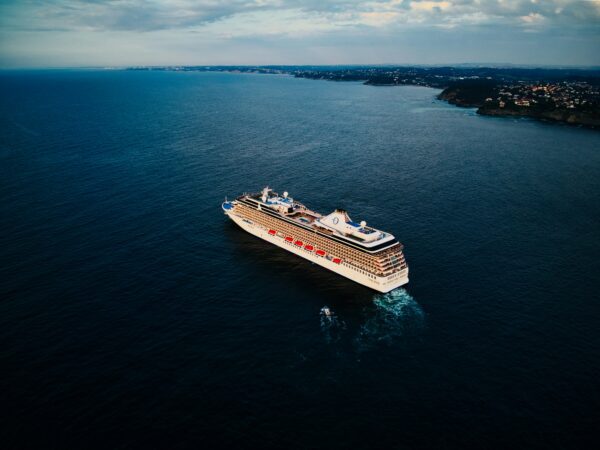
 Why Missed Connection Coverage Is a Cruise Deal-Breaker
 Why Cruise Line Insolvency Is a Real Risk When Booking in Advance
 Why Extensive Cancellation Reasons Bolster Coverage