Ecotourism Destinations: Where to Travel Sustainably Without Sacrificing Experience
April 6, 2022 - Meagan Palmer
Last Updated On:
Sustainable travel is no longer niche, it’s becoming the standard travelers (especially Millennials) are prioritizing. Today’s travelers want more than beautiful views; they want to protect ecosystems, support local communities, and travel responsibly. The good news? The best ecotourism destinations now make it easier than ever to do exactly that without compromising on comfort or experience.
Quick Answer: What are the best ecotourism destinations?
Top ecotourism destinations include Costa Rica, Kenya, the Galápagos Islands, and Norway. These locations stand out for strong environmental protections, certified eco-lodging, and tourism models that actively support conservation and local communities. The best sustainable travel destinations combine biodiversity, responsible infrastructure, and clear eco-certification systems.
Key Takeaways
Costa Rica leads in eco-certification, making it easy to identify truly sustainable accommodations.
Kenya sets the standard for ethical safaris through conservation-driven tourism models.
The Galápagos Islands strictly regulate tourism, preserving rare ecosystems through controlled access.
Norway excels in low-impact infrastructure, from electric transport to protected natural areas.
Not all “eco” travel is equal—look for certifications, local impact, and conservation contributions.
Sustainable travel can be luxurious, with many eco-lodges offering high-end experiences responsibly.
Some of the links in this article may be affiliate links, which means we may receive a small commission, at no additional cost to you if you decide to purchase through one of our recommended partners. As a reminder, here at Yonder, we thoroughly curate the products we offer and only recommend plans and services we trust and believe bring value to our readers and customers.
Why Ecotourism Matters
We often travel to “get away from it all,” but ecotourism reminds us that we are actually deeply connected to the wild places we visit. Instead of just passing through, this mindful way of exploring ensures your presence helps protect rare landscapes and provides real income for the locals who guard them. It’s the ultimate win-win: you get a life-changing experience, and the planet gets a fighting chance to stay beautiful forever.
What Makes a Destination Truly “Ecotourism”?
Before choosing where to go, it’s important to understand what separates true sustainable travel destinations from greenwashed ones.
A legitimate ecotourism destination typically includes:
Environmental protection laws that actively preserve ecosystems
Eco-lodges range from budget to luxury, many powered by renewable energy
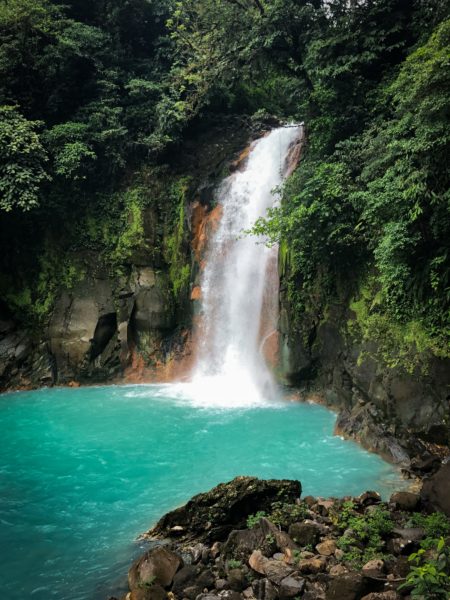
What makes Costa Rica unique is how easy it is to travel sustainably without extra effort. Whether you’re exploring rainforests, volcanoes, or coastlines, eco-conscious options are built into the experience.
In Costa Rica, sustainable travel doesn’t necessarily mean low-key accommodations, either. In fact, many of its eco-lodges are incredibly luxurious and maintained through eco-friendly practices. At some spots, you can even stay for free in exchange for putting those eco-friendly practices into place, like helping with farming activities, maintaining hiking trails, and cooking with food from sustainable farms.
Many lodges reinvest profits into local communities and anti-poaching efforts
Unlike mass-tourism safari destinations, Kenya emphasizes low-density tourism, meaning fewer vehicles, less environmental strain, and a more authentic experience.
Kenya has a national rating system for its lodging, so you’ll know which ones are the most eco-friendly before booking.
Best for: Ethical safaris, wildlife conservation, cultural immersion
The Galápagos Islands are one of the most regulated ecotourism destinations in the world. These regulations are meant to make sure providers take measures to conserve energy, recycle, bolster the local economy, and treat their workers fairly.
Managed by the Galápagos National Park Directorate and Ecuadorian Ministry of Tourism
Visitor numbers and itineraries are tightly controlled
Tour operators must meet strict environmental standards
This level of control protects rare species found nowhere else on Earth while still allowing travelers to experience them responsibly.
If you plan to visit the Galapagos Islands, you can use the Galapagos Conservatory’s list of travel partners. Each have been through a licensure process that assures they’ll adhere to environmentally-friendly practices.
Fun Fact: The wildlife that call the remote Galapagos Islands home are so diverse and rare that they were declared the first-ever UNESCO Natural World Heritage Site in 1978.
Best for: Unique biodiversity, guided eco-expeditions, conservation travel
Norway proves that sustainability and modern travel can go hand in hand.
Extensive use of electric transportation, including ferries
Strict environmental regulations across industries
Well-maintained trails and eco-friendly tourism infrastructure
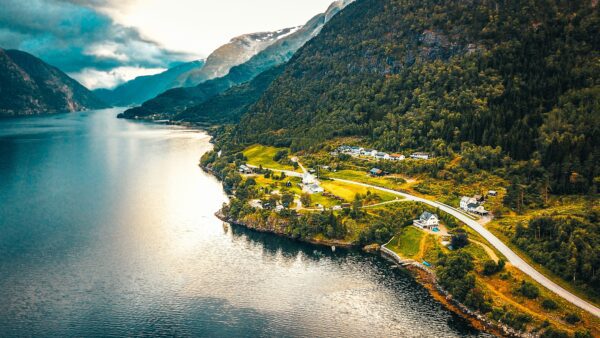
The famous fjords remain remarkably preserved thanks to proactive policies and responsible tourism practices. Norway has long been known for its focus on preserving its environment, and the government imposes strict regulations around hunting, fishing, and the petroleum industry, which is a major part of the country’s economy.
Best for: Low-impact adventure, hiking, scenic landscapes
How to Choose the Right Ecotourism Destination for You
Choosing the right ecotourism destination isn’t just about picking a “green” country. It’s about aligning your travel style, budget, and expectations with how sustainability actually works on the ground.
Here’s how to make a smarter, more informed decision:
1. Start With Your “Impact Level” Preference
Not all sustainable travel looks the same. Ask yourself how you want to participate:
Low effort, low impact: You want eco-friendly options built into the trip (no extra planning)
Moderate involvement: You’ll choose certified lodges and responsible tours
High involvement: You want to actively contribute (volunteering, conservation work)
Best matches:
High involvement → Kenya
Low effort → Costa Rica
Moderate → Norway
2. Match the Destination to the Type of Nature You Want
Different destinations specialize in different ecosystems and that can shape your entire experience.
Here are the ecosystems of our top ecotourism destination mentions:
Rainforests & biodiversity: Costa Rica
Wildlife safaris: Kenya
Rare, isolated ecosystems: Galápagos Islands
Mountains, fjords, and cold-climate nature: Norway
If your goal is “see animals,” Kenya and the Galápagos deliver very different experiences. One is wide-open safari, the other is tightly controlled, guide-led encounters.
3. Understand How Strict the Sustainability Model Is
This is where most travelers get it wrong. Not all “eco” destinations enforce standards equally.
In places like Norway, infrastructure does a lot of this work for you. In others, you’ll need to be more intentional.
Support the Local Economy (Not Just Global Brands)
Where your money goes matters.
Prioritize:
Local guides
Independent restaurants
Community-run experiences
This is especially important in destinations like Kenya, where tourism directly funds conservation and livelihoods.
Respect the Environment Like It’s Regulated (Even If It’s Not)
In highly protected places like the Galápagos Islands, rules are strict.
Apply that same mindset everywhere:
Keep distance from wildlife
Stay on trails
Don’t remove natural items
The Role of Travel Insurance in Ecotourism
Sustainable travel often involves remote locations, outdoor activities, and unpredictable conditions. All of these things can affect you and your trip without the right travel insurance coverage.
Travel insurance can help protect:
Trip cancellations due to weather or environmental disruptions
For ecotourism trips, it’s especially important to compare plans that include medical evacuation and adventure activity coverage.
FAQ: Ecotourism Destinations
What is an ecotourism destination?
An ecotourism destination is a place that prioritizes environmental conservation, supports local communities, and promotes responsible travel practices.
What country is best for ecotourism?
Costa Rica is widely considered the best due to its strong conservation policies and eco-certification system.
Is ecotourism more expensive?
Not always. While some eco-lodges are premium, many destinations offer affordable sustainable options.
How can I verify if a destination is truly sustainable?
Look for official certifications, conservation programs, and transparency about environmental impact.
Does ecotourism actually help the environment?
Yes, when done correctly, it funds conservation, protects ecosystems, and supports local economies.
Meagan has spent over eight years at Yonder Travel Insurance mastering the "fine print" so travelers don’t have to. With a background spanning marketing and operations, she specializes in deconstructing complex policy jargon into clear, actionable advice that empowers travelers to explore with confidence. From selecting the perfect plan for a niche itinerary to navigating the intricacies of the claims process, Meagan provides the unbiased, expert travel insurance insights necessary to maximize benefits and minimize risk. By maintaining close partnerships with the travel insurance industry’s top providers, she stays at the forefront of emerging trends, ensuring her readers are always one step ahead of the unexpected.
Get an instant travel insurance quote!
Step 1
Step 2
Step 3
Destination
Where are you going?
If you're traveling to multiple countries, select the country you're spending the most time in.
Lorem ipsum dolor sit amet, consectetur adipiscing elit, sed do eiusmod tempor incididunt ut labore et dolore magna aliqua. Ut enim ad minim veniam, quis nostrud exercitation ullamco laboris nisi ut aliquip ex ea commodo consequat. Duis aute irure dolor in reprehenderit in voluptate velit esse cillum dolore eu fugiat nulla pariatur. Excepteur sint occaecat cupidatat non proident, sunt in culpa qui officia deserunt mollit anim id est laborum
Departure Date Info
Lorem ipsum dolor sit amet, consectetur adipiscing elit, sed do eiusmod tempor incididunt ut labore et dolore magna aliqua. Ut enim ad minim veniam, quis nostrud exercitation ullamco laboris nisi ut aliquip ex ea commodo consequat. Duis aute irure dolor in reprehenderit in voluptate velit esse cillum dolore eu fugiat nulla pariatur. Excepteur sint occaecat cupidatat non proident, sunt in culpa qui officia deserunt mollit anim id est laborum
Return Date Info
Lorem ipsum dolor sit amet, consectetur adipiscing elit, sed do eiusmod tempor incididunt ut labore et dolore magna aliqua. Ut enim ad minim veniam, quis nostrud exercitation ullamco laboris nisi ut aliquip ex ea commodo consequat. Duis aute irure dolor in reprehenderit in voluptate velit esse cillum dolore eu fugiat nulla pariatur. Excepteur sint occaecat cupidatat non proident, sunt in culpa qui officia deserunt mollit anim id est laborum
State of Residence Info
Lorem ipsum dolor sit amet, consectetur adipiscing elit, sed do eiusmod tempor incididunt ut labore et dolore magna aliqua. Ut enim ad minim veniam, quis nostrud exercitation ullamco laboris nisi ut aliquip ex ea commodo consequat. Duis aute irure dolor in reprehenderit in voluptate velit esse cillum dolore eu fugiat nulla pariatur. Excepteur sint occaecat cupidatat non proident, sunt in culpa qui officia deserunt mollit anim id est laborum
Number of Travelers Info
Lorem ipsum dolor sit amet, consectetur adipiscing elit, sed do eiusmod tempor incididunt ut labore et dolore magna aliqua. Ut enim ad minim veniam, quis nostrud exercitation ullamco laboris nisi ut aliquip ex ea commodo consequat. Duis aute irure dolor in reprehenderit in voluptate velit esse cillum dolore eu fugiat nulla pariatur. Excepteur sint occaecat cupidatat non proident, sunt in culpa qui officia deserunt mollit anim id est laborum
Trip Cost Info
Lorem ipsum dolor sit amet, consectetur adipiscing elit, sed do eiusmod tempor incididunt ut labore et dolore magna aliqua. Ut enim ad minim veniam, quis nostrud exercitation ullamco laboris nisi ut aliquip ex ea commodo consequat. Duis aute irure dolor in reprehenderit in voluptate velit esse cillum dolore eu fugiat nulla pariatur. Excepteur sint occaecat cupidatat non proident, sunt in culpa qui officia deserunt mollit anim id est laborum
Deposit Date Info
Lorem ipsum dolor sit amet, consectetur adipiscing elit, sed do eiusmod tempor incididunt ut labore et dolore magna aliqua. Ut enim ad minim veniam, quis nostrud exercitation ullamco laboris nisi ut aliquip ex ea commodo consequat. Duis aute irure dolor in reprehenderit in voluptate velit esse cillum dolore eu fugiat nulla pariatur. Excepteur sint occaecat cupidatat non proident, sunt in culpa qui officia deserunt mollit anim id est laborum
Travel Style Info
Lorem ipsum dolor sit amet, consectetur adipiscing elit, sed do eiusmod tempor incididunt ut labore et dolore magna aliqua. Ut enim ad minim veniam, quis nostrud exercitation ullamco laboris nisi ut aliquip ex ea commodo consequat. Duis aute irure dolor in reprehenderit in voluptate velit esse cillum dolore eu fugiat nulla pariatur. Excepteur sint occaecat cupidatat non proident, sunt in culpa qui officia deserunt mollit anim id est laborum


 Why Ecotourism Matters