Is it Safe to Travel to Cuba in 2026? What Tourists Should Know Before Visiting
October 18, 2023 - Terry
Last Updated On:
Cuba is a beautiful place to visit and explore. The history of Cuba, although controversial, is complex and rich. And the Cuban people are some of the most inviting people in the world. So, is it safe to travel to Cuba?
This guide is to help you plan your trip to Cuba with confidence, using reputable sources and insightful tips.
Still exploring your travel options? Visit our travel destination guides to compare safety tips, planning resources, and travel insurance advice for destinations around the world.
Quick Answer: Is Cuba Safe for Travelers Right Now? (2026 Update)
Cuba is generally considered safe for travelers, with low levels of violent crime compared to other Caribbean and Latin American destinations. However, most risks today are not crime-related. They’re logistical and infrastructure-based, including power outages, shortages, and limited access to medical supplies.
For U.S. travelers, Cuba is currently under a Level 2 advisory (“exercise increased caution”), meaning awareness and preparation are key.
Some of the links in this article may be affiliate links, which means we may receive a small commission, at no additional cost to you if you decide to purchase through one of our recommended partners. As a reminder, here at Yonder, we thoroughly curate the products we offer and only recommend plans and services we trust and believe bring value to our readers and customers.
Can U.S. citizens travel to Cuba?
The answer is yes, but it’s not technically legal to go solely for the purpose of a vacation in Cuba. Previously, presidential administrations in the U.S. have removed the ability to travel to Cuba. These restrictions have been removed, but you’ll have to take a few extra steps to make your trip a reality.
Cuba Travel Restrictions
Currently, U.S. citizens can only be admitted into Cuba if their travel qualifies for one of the 12 authorized travel categories below. You’ll likely have to self-report which category your travel fits within when booking airfare, and you may be required to show proof that your trip itinerary meets the requirements of the category.
Here are the 12 categories of authorized travel to Cuba:
Family Visits
Official business of the U.S. Government, Foreign Governments, and Certain Intergovernmental Organizations
Journalistic Activity
Professional Research and Professional Meetings
Educational Activities
Religious Activities
Public Performances
Clinics, Workshops, Athletic and Other Competitions, and Exhibitions
Support for the Cuban People
Humanitarian Projects
Activities of Private Foundations or Research or Educational Institutes
Exportation, Importation, or Transmission of Information or Informational Materials
Certain Authorized Export Transactions
What is the most popular category to self-qualify for?
Now that the “people-to-people” category has been removed, most travelers use the “support for the Cuban people” category. It allows greater flexibility in meeting the requirements of a license category. By choosing the “support for the Cuban people” category type, it’s fairly simple to show proof that you’ll be accomplishing this task. For example, this could include activities like eating at locally-owned restaurants and staying at locally-run accommodations.
Cuba Travel Advisory
Since Cuba’s social, health, and political climate is ever-changing, it’s best to keep yourself up to date via the U.S. Department of State and CDC websites for any new advisories.
Yes, all things considered, Cuba is a relatively safe country to visit. Cuba has a controversial political history with unstable ties, or lack thereof, with the United States. However, Cuba experiences lower homicide rates than the U.S. This may be attributed to Cuba having an extremely low level of gun ownership compared to other countries of the world.
Regardless, there are a few places to be aware of when visiting Cuba as a foreign traveler.
Petty Crime
Crimes like pickpocketing and other types of thievery are more frequent among tourists in Cuba. The good news is that these instances can be prevented. Being aware of your surroundings, keeping your personal items close to your person, and leaving valuable items at home could help mitigate this risk. The goal? Don’t make it easy for someone to steal your personal belongings.
Violent Crime
Violent crime in Cuba is usually among Cuban citizens and very rarely ever involves tourists. As long as you are staying in safer areas (more on this later) and not participating in any illegal activities, you’ll enjoy your trip.
As with many countries, tourists can be victims of scams if they aren’t careful. Typical scams in Cuba include taxi scams, shortchanging or other currency scams, and baggage theft.
What “Safe” Actually Means in Cuba
Most travel safety guides focus on crime. In Cuba, that’s not the full picture.
In Cuba, “safety” is less about crime and more about conditions:
Low violent crime: More rare compared to other countries
Higher petty theft risk: Pickpocketing is more common in tourist areas
Infrastructure challenges: Power outages, fuel shortages, limited supplies
Medical limitations: Quality exists, but access and resources can vary, depending where you are
Cuba vs Other Caribbean Destinations: Is It Actually Safer?
Before you decide whether Cuba is “safe,” it helps to put it in context.
Many travelers compare Cuba to destinations like Mexico, the Dominican Republic, or Jamaica. However, those comparisons can be misleading if you only look at crime rates. Cuba is unusual because it’s often safer in terms of violent crime, yet more challenging in terms of infrastructure, access to services, and overall travel logistics.
Here’s how Cuba stacks up against other popular Caribbean destinations:
Destination
Violent Crime Risk
Petty Crime
Infrastructure Reliability
Overall Experience
Cuba
Low
Moderate
Low
Unique but challenging
Dominican Republic
Moderate
Moderate
Moderate
Resort-friendly
Jamaica
Moderate–High
Moderate
Moderate
Mixed safety zones
Bahamas
Moderate
Moderate
High
Easy travel
Insight:
Cuba is often safer from violence
But harder logistically than almost anywhere else
“Cuba is one of the safer countries in the region from a crime perspective. The bigger challenge for travelers is navigating logistics, access to services, and infrastructure limitations—not personal safety,” explains Terry Boynton, President of Yonder Travel Insurance.
What’s Changed Recently: Cuba Travel in 2026
Like many destinations, Cuba in 2026 is different from pre-2020 travel. However, with Cuba, past and recent geopolitical conflict has contributed to the decline in the overall economy and increased struggle of day-to-day life for locals.
Here are some key changes travelers should know before booking:
Ongoing economic crisis affecting the availability of food, fuel, and services
Power outages and infrastructure instability are affecting daily life
Reduced tourism levels, changing the travel experience
Increased reliance on private businesses and local support
If you’re planning on visiting Cuba anytime soon, planning is going to need to be what you focus on. Come up with backup plans for accommodation or transportation should events change suddenly. Also, bring extra essentials, including food, power sources, and medications, with you on your trip to help combat unpredictability that might pop up.
Cuba Travel Safety Tips
Many travelers have felt perfectly safe when visiting Cuba. As long as you use common sense when you’re traveling, you likely won’t have any issues. Here are some popular and relatively issue-free areas to include on your itinerary to Cuba:
Havana
Santiago de Cuba
Camagüey
Holguin
Since Cuba prioritizes tourist safety, most offenders against foreign tourists could face hefty penalties and jail time. This means the most popular destinations in Cuba can be visited without a hitch. Like any country, though, there are always places to be wary of.
Petty theft in the form of quick snatches is common here. Many government protests and demonstrations happen here, but you should avoid getting involved.
Cardenas
Crimes like pickpocketing and scams can be frequent here. If someone is offering a deal that’s too good to be true, it most likely is.
Ciego de Avila
Street gang violence happens more often here. Stick to the common locations and avoid meandering around too far. Take proper precautions if driving around the city.
What Travelers Don’t Expect (But Should Prepare For)
As we’ve already shared, most issues in Cuba aren’t dangerous, but they can be unexpected.
Make sure to prepare for:
Limited ATM access / cash shortages
Power outages (bring backup chargers)
WiFi limitations (download offline maps and keep copies of documents)
Medication availability issues
Transportation unpredictability
Who Should Be More Cautious When Traveling to Cuba
First-time international travelers
Travelers needing consistent medical care
Travelers uncomfortable with unpredictability
Families with young children (logistics matter more than safety)
Transportation in Cuba
If you’re looking to get around in Cuba, it might take a bit of extra planning ahead. Whether you’re renting a car or plan on using local taxis, understanding some basic guidelines on transportation in Cuba is important. Rental cars might be convenient, but they’ll be the most expensive. The other downside is that they aren’t always reliable since they often have high mileage. Public transportation is the least reliable in timing, likely uncomfortable, and has a higher risk of experiencing pickpocketing due to overcrowding.
Other, more reliable transportation options in Cuba include intercity buses from Viazul. This option requires you to book tickets in advance. Private car services are available and allow greater flexibility in travel time or itinerary. Just be wary of taxi scams if you’re leaning towards flagging down a shared or a private taxi.
Register for STEP
STEP stands for Smart Traveler Enrollment Program and allows you to connect your trips to the U.S. Embassy. It’s a free program and once your trips are registered, you’ll get travel advisory notification alerts about your destination. Also, if you encounter an emergency during your trip, the U.S. Embassy can assist in locating you and getting you to safety.
Travel Insurance for Cuba
It’s a requirement that you obtain some form of travel health insurance during the length of your trip to Cuba. If you’re booking a flight direct to Cuba from the U.S., it’s possible your airline ticket includes the cost of insurance from the local provider. However, Yonder recommends getting a separate travel insurance policy because local coverage options are quite limited and don’t protect your trip expenses.
In addition, travel insurance for Cuba isn’t just about emergencies; it’s about handling unpredictability before and during your trip, like:
You’ll likely find peak hurricane season in Cuba to be at the end of August through the beginning of November. Some of the hurricanes don’t make direct landfall but could experience the impact of heavy rains and winds during this period of time.
Keep a close eye on the weather as your departure nears, since your trip could be greatly impacted if affected by such tropical weather. The best preventative measure to protect your trip in case of inclement weather is to purchase travel insurance ahead of time. This way, if you have the coverage in place before a storm is named, you could be reimbursed for your nonrefundable trip costs.
What are Some Safe and Family-Friendly Activities or Excursions in Cuba?
There’s a plethora of things to do while in Cuba that your family will love. Check out these activities based on your interests.
Adventure Lovers:Cuba has world-class scuba diving and hosts the largest wetland ecosystem in the area. The turquoise water hosts all kinds of fish and even underwater caves.
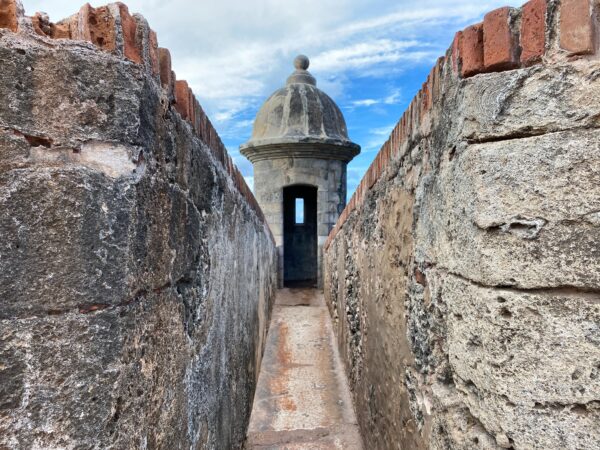
History Buffs:The Morro Castle in Havana is chock-full of history the whole family will find interesting.
Nature Lovers:Bahia de Naranjo Nature Park is an ecological preserve and has easy access to resorts in Hoguin. There are even some fun trails and a couple of restaurant options via boat rides.
Planning a trip is half the battle, and part of that process is getting to know the destination. Yonder encourages you to prioritize safety in your Cuba travel planning. The best way to mitigate any potential risk is to insure your trip to Cuba.
This way, if a sudden medical emergency, sporadic hurricane, or unexpected cancellation or delay occurs, your travel expenses will be fully protected. Reach out to the team of friendly humans for an instant quote so you can fully enjoy your experience in Cuba. We at Yonder Travel Insurance hope that you get to experience all that Cuba has to offer.
FAQ: Is it Safe to Travel to Cuba?
Is Cuba safe for tourists right now in 2026?
Yes, Cuba is generally safe for tourists, with low violent crime compared to many Caribbean destinations. However, most risks today are related to infrastructure challenges, including power outages, limited supplies, and transportation delays due to the geopolitical climate.
Is Havana safe for tourists?
Havana is considered safe for visitors, especially in tourist areas like Old Havana and Vedado. Petty theft can occur, so staying aware of your belongings in crowded areas is important.
What should I avoid when traveling to Cuba?
Avoid displaying valuables, using unofficial taxis, and relying solely on credit cards. It’s also important to plan ahead for cash access, transportation, and basic supplies due to local shortages or power outages.
Is Cuba safer than Mexico or the Dominican Republic?
Cuba generally has lower violent crime rates than Mexico or the Dominican Republic, but it can be more difficult to navigate due to infrastructure limitations and fewer available services.
Do I need travel insurance for Cuba?
Yes, travel insurance is a requirement upon entry to Cuba, but it’s also highly recommended due to limited medical access, potential trip disruptions, and logistical challenges. It can help cover medical care, delays, and unexpected changes during your trip.
Not only is he a co-founder and the president of Yonder, but Terry is also a seasoned traveler in countless countries. He's passionate about people getting the right travel insurance and even more so about serving some of the world's poorest children through Yonder's social mission. Fun fact, he's served in the Marines and is a record-breaking powerlifter!
Get an instant travel insurance quote!
Step 1
Step 2
Step 3
Destination
Where are you going?
If you're traveling to multiple countries, select the country you're spending the most time in.
Lorem ipsum dolor sit amet, consectetur adipiscing elit, sed do eiusmod tempor incididunt ut labore et dolore magna aliqua. Ut enim ad minim veniam, quis nostrud exercitation ullamco laboris nisi ut aliquip ex ea commodo consequat. Duis aute irure dolor in reprehenderit in voluptate velit esse cillum dolore eu fugiat nulla pariatur. Excepteur sint occaecat cupidatat non proident, sunt in culpa qui officia deserunt mollit anim id est laborum
Departure Date Info
Lorem ipsum dolor sit amet, consectetur adipiscing elit, sed do eiusmod tempor incididunt ut labore et dolore magna aliqua. Ut enim ad minim veniam, quis nostrud exercitation ullamco laboris nisi ut aliquip ex ea commodo consequat. Duis aute irure dolor in reprehenderit in voluptate velit esse cillum dolore eu fugiat nulla pariatur. Excepteur sint occaecat cupidatat non proident, sunt in culpa qui officia deserunt mollit anim id est laborum
Return Date Info
Lorem ipsum dolor sit amet, consectetur adipiscing elit, sed do eiusmod tempor incididunt ut labore et dolore magna aliqua. Ut enim ad minim veniam, quis nostrud exercitation ullamco laboris nisi ut aliquip ex ea commodo consequat. Duis aute irure dolor in reprehenderit in voluptate velit esse cillum dolore eu fugiat nulla pariatur. Excepteur sint occaecat cupidatat non proident, sunt in culpa qui officia deserunt mollit anim id est laborum
State of Residence Info
Lorem ipsum dolor sit amet, consectetur adipiscing elit, sed do eiusmod tempor incididunt ut labore et dolore magna aliqua. Ut enim ad minim veniam, quis nostrud exercitation ullamco laboris nisi ut aliquip ex ea commodo consequat. Duis aute irure dolor in reprehenderit in voluptate velit esse cillum dolore eu fugiat nulla pariatur. Excepteur sint occaecat cupidatat non proident, sunt in culpa qui officia deserunt mollit anim id est laborum
Number of Travelers Info
Lorem ipsum dolor sit amet, consectetur adipiscing elit, sed do eiusmod tempor incididunt ut labore et dolore magna aliqua. Ut enim ad minim veniam, quis nostrud exercitation ullamco laboris nisi ut aliquip ex ea commodo consequat. Duis aute irure dolor in reprehenderit in voluptate velit esse cillum dolore eu fugiat nulla pariatur. Excepteur sint occaecat cupidatat non proident, sunt in culpa qui officia deserunt mollit anim id est laborum
Trip Cost Info
Lorem ipsum dolor sit amet, consectetur adipiscing elit, sed do eiusmod tempor incididunt ut labore et dolore magna aliqua. Ut enim ad minim veniam, quis nostrud exercitation ullamco laboris nisi ut aliquip ex ea commodo consequat. Duis aute irure dolor in reprehenderit in voluptate velit esse cillum dolore eu fugiat nulla pariatur. Excepteur sint occaecat cupidatat non proident, sunt in culpa qui officia deserunt mollit anim id est laborum
Deposit Date Info
Lorem ipsum dolor sit amet, consectetur adipiscing elit, sed do eiusmod tempor incididunt ut labore et dolore magna aliqua. Ut enim ad minim veniam, quis nostrud exercitation ullamco laboris nisi ut aliquip ex ea commodo consequat. Duis aute irure dolor in reprehenderit in voluptate velit esse cillum dolore eu fugiat nulla pariatur. Excepteur sint occaecat cupidatat non proident, sunt in culpa qui officia deserunt mollit anim id est laborum
Travel Style Info
Lorem ipsum dolor sit amet, consectetur adipiscing elit, sed do eiusmod tempor incididunt ut labore et dolore magna aliqua. Ut enim ad minim veniam, quis nostrud exercitation ullamco laboris nisi ut aliquip ex ea commodo consequat. Duis aute irure dolor in reprehenderit in voluptate velit esse cillum dolore eu fugiat nulla pariatur. Excepteur sint occaecat cupidatat non proident, sunt in culpa qui officia deserunt mollit anim id est laborum


 Can U.S. citizens travel to Cuba?