Dominican Republic Travel Safety Tips You Should Know
February 19, 2025 - Beckah Morris
Last Updated On:
Planning a trip to the Dominican Republic? While this stunning destination offers beautiful beaches and rich culture, understanding Dominican Republic travel safety is essential for a worry-free vacation. In this guide, we’ll cover everything you need to know about traveling safely, including general safety tips, the importance of travel insurance, hurricane preparedness, and family-friendly travel advice to help you make the most of your adventure!
Quick Answer: Is the Dominican Republic Safe for Tourists?
The Dominican Republic is generally safe for tourists, especially in Punta Cana and resort areas with dedicated CESTUR patrols. The most common risks are petty theft, motorcycle snatch-and-grabs, and scams in urban zones like Santo Domingo. Hurricane season runs June–November, peaking in September, but direct impacts are relatively rare. Travel insurance with at least $100,000 in medical coverage and evacuation protection is strongly recommended.
Key Takeaways
Punta Cana is widely considered the safest tourist area due to dedicated CESTUR patrols.
Petty theft and drive-by motorcycle robberies are the most common crimes affecting tourists.
Santo Domingo has higher risk for scams, fake taxis, and daytime muggings.
Hurricane season runs June–November, with September as peak risk, though fewer than 15 storms have directly hit in 100 years.
Travel insurance should include $100k+ medical and $250k+ evacuation coverage for adequate protection.
Is it Safe to Travel to the Dominican Republic in 2026?
In 2026, the Dominican Republic remains safe for tourists who stay within CESTUR-patrolled resort zones, which are essentially police designated in popular tourist areas. Avoid “motoconcho” motorcycle taxis, which are the primary drivers of both road accidents and opportunistic street robberies.
While Punta Cana is exceptionally secure, urban centers like Santo Domingo require extra caution against “snatch and grab” thefts targeting visible jewelry or electronics in non-tourist neighborhoods. For peak safety, use only hotel-sanctioned transportation and remain weather-aware during the June–November hurricane season, as remote coastal areas can become isolated during major storms.
What Crimes are Most Common in the Dominican Republic?
The most common issues to be aware of as a tourist are non-violent crimes, such as:
Pickpocketing
Bag snatching
Opportunistic theft
Motorcycle drive-by robberies remain a notable risk, especially in urban areas where thieves target visible valuables.
Violent crime against tourists is relatively rare, but it can occur outside patrolled areas. Most incidents involve travelers who venture into unfamiliar neighborhoods without local guidance or engage in risky situations, such as late-night outings without transport planning.
What is the Safest City in the Dominican Republic?
While some cities might be safer than others in the Dominican Republic, it’s imperative to follow the safety precautions above wherever you plan to travel. You can also view specific area safety alerts on the U.S. State Department travel advisory page.
Some of the safest cities in the Dominican Republic include:
Punta Cana
Cap Cana
Puerto Plata (resort sections)
Punta Cana
Punta Canais located in La Altagracia, the Dominican Republic’s easternmost province. Despite the deaths that made media headlines in 2019, it’s the safest city in the Dominican Republic.
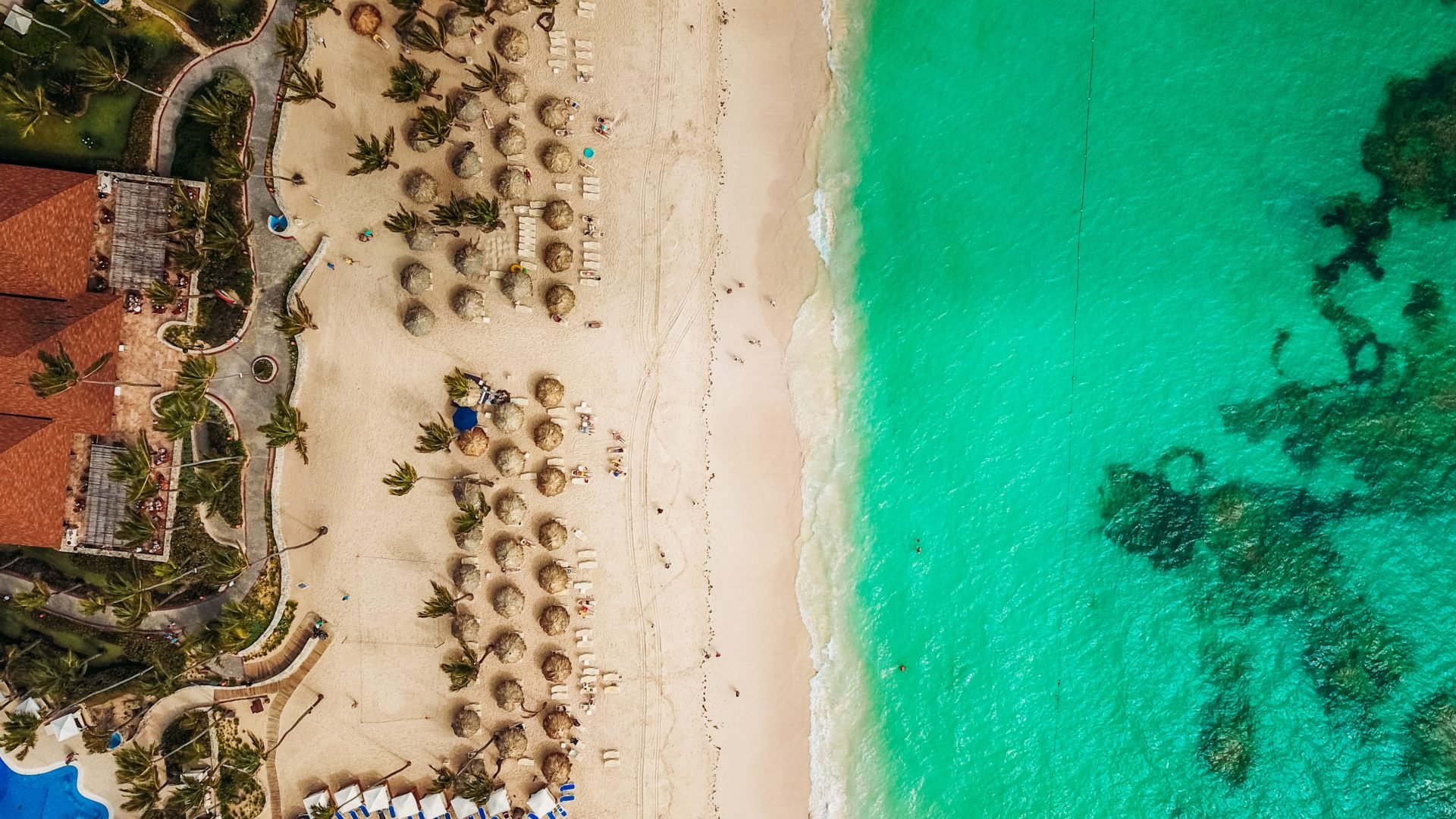
The main resort area here is patrolled by CESTUR, a police force dedicated to keeping foreigners, resorts, and popular tourist areas safe. You’ll find some of the most secure places to stay in the Dominican Republic here, making it the safest city in the Dominican Republic.
Cap Cana
Cap Cana is a prestigious, gated enclave located just south of Punta Cana’s main strip, offering the highest level of security in the country through 24/7 private checkpoints and restricted perimeter access.
Unlike public tourist zones, this “city-within-a-destination” operates its own independent security force that supplements CESTUR patrols, virtually eliminating the “snatch and grab” risks found in more open urban centers.
Puerto Plata
Puerto Plata is situated on the northern coast. It’s well-known for its colonial architecture and the unbelievable sea views from the cable car going up to Mount Isabel de Torres.
Similar to Punta Plata, since this place is a well-known tourist destination, crime is low. However, thefts are common so leave valuables at home or in the hotel safe when taking a day excursion to the fascinating Jewish-influenced city of Sosua.
Higher Risk Area in the Dominican Republic
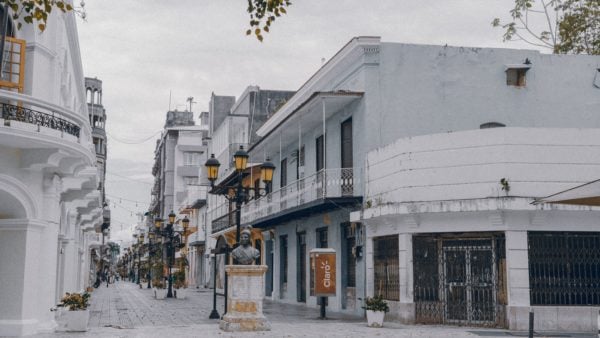
The capital, Santo Domingo, located on the southern coast, is the largest city in the Dominican Republic and is most susceptible to petty crime. It’s not uncommon for muggings to happen in the daytime and scams, especially for unmarked taxis or false police officers. The good news is that the U.S. embassy is located in Santo Domingo, so you could always head there if you felt unsafe.
Safety by Dominican Republic Region Comparison Table
Area
Crime Risk
Tourist Infrastructure
Police Presence
Hurricane Exposure
Punta Cana
Low
High
Dedicated CESTUR
Moderate
Santo Domingo
Moderate
High
Standard Police
Moderate
Puerto Plata
Low-Moderate
Moderate
Tourist Patrols
Higher
La Romana
Low
High
Resort Security
Moderate
Semana
Low
Moderate
Limited Patrols
Higher
To summarize:
Punta Cana → Low risk
Cap Cana → Very low risk
Santo Domingo → Moderate risk
Samaná → Weather risk
Reasons Why Dominican Republic Safety Fluctuates Based on Area
Punta Cana’s safety reputation stems from controlled resort ecosystems, not the entire province. Meanwhile, Santo Domingo’s Colonial Zone is significantly safer than the surrounding districts due to tourism investment and policing.
Northern coastal areas like Puerto Plata and Samaná face higher storm exposure during hurricane season due to Atlantic-facing geography—a detail many travelers overlook when planning summer trips.
Resort vs Non-Resort Travel: What Actually Changes?
One of the biggest misconceptions about Dominican Republic travel safety is assuming the entire destination carries the same level of risk. In reality, your experience can vary significantly depending on whether you stay within a resort or explore beyond it.
Staying in Resort Areas
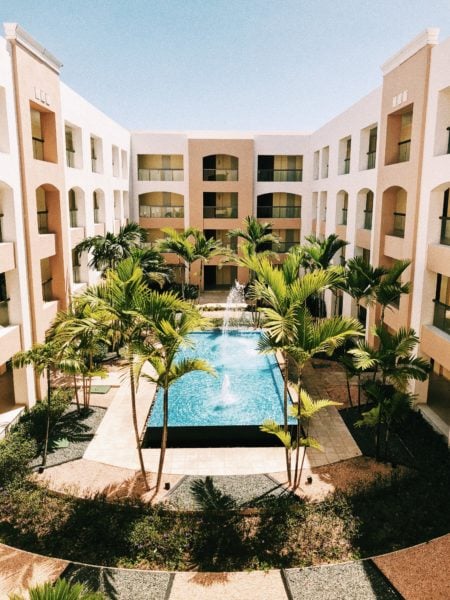
Resort zones like Punta Cana and Cap Cana are designed with tourist safety in mind. These areas typically include:
Dedicated tourist police (CESTUR) patrols
Controlled access points and private security
On-site medical services or partnerships with nearby clinics
Pre-arranged transportation and vetted excursions
Because of this structure, most travelers who remain within resort areas experience very few safety issues beyond minor inconveniences like misplaced belongings.
Traveling Outside Resorts
Once you leave resort zones, the environment becomes more similar to any major city or developing destination.
Key differences include:
Less visible security presence: Standard local policing replaces tourist-focused patrols
Higher exposure to petty crime: Especially in busy urban areas like Santo Domingo
Transportation variability: Unregulated taxis and “motoconchos” (motorcycle taxis) introduce more risk
Greater need for situational awareness: Navigation, language, and local norms matter more
That doesn’t mean it’s unsafe, it just means your behavior and precaution plays a much bigger role in your overall safety.
What This Means for Travelers
Resort-only travelers → Very low risk, highly controlled environment
Mixed itinerary (resorts + excursions) → Low to moderate risk with planning
Independent urban exploration → Moderate risk, requires awareness and planning
If you plan to explore beyond your resort, stick to guided tours, use hotel-arranged transportation, and avoid unfamiliar areas after dark. The Dominican Republic can absolutely be explored safely, you just need to approach it more intentionally outside resort zones.
What Are the Biggest Risks Travelers Face?
Petty Theft and Scams
The most frequent issues include:
Fake taxi drivers overcharging or detouring
Distraction theft in crowded areas
Card skimming at unregulated ATMs
Tourists are often targeted when displaying valuables like smartphones, jewelry, or designer items. Dressing modestly and staying aware significantly reduces risk.
Transportation and Excursion Risks
Unlicensed excursion operators present a hidden safety concern. These operators may lack insurance, safety equipment, or trained guides. Accidents during activities like boat tours or zip-lining often trace back to unregulated providers.
Dominican Republic Travel Tips
Register for STEP
The Smart Traveler Enrollment Program is a free service for US citizens traveling abroad. To the Yonder team, it’s a must for international travel. The program allows you to register and connect your travels to the nearest U.S. Embassy in the Dominican Republic. Once you register your trip, you will receive travel advisory alerts before and during your time there.
Dress Simply
The most popular crime in the country is a drive-by robbery. The robber usually quickly approaches you on a motorcycle or bicycle, grabs your purse or jewelry you may be wearing, and zooms away, all within a couple of seconds. To avoid this, dress simply, wear limited jewelry, and leave the designer purse at home.
Plan Day Activities
Since most crimes occur in the evening, aim to return to your resort or hotel by dusk if you’re going on an excursion or outing. If you plan on staying out a bit later, always use increased caution. If you’re going to be out after dark, try to pre-arrange your transportation options with reputable companies.
Common Misconceptions About Safety in the Dominican Republic
“Resort Areas Are Crime-Free”
Resorts are highly secure, but not immune to theft. The most common theft events typically involve unattended items at beaches or pools. If your resort offers security, that can reduce the risk, but not entirely eliminate it.
“Hurricanes Frequently Hit the Dominican Republic”
Despite its location, fewer than 15 hurricanes have directly impacted the country in the past century. There’s still a risk, but the bigger concern is flight disruption rather than direct landfall. This is because even though you’d be traveling to the Dominican Republic, many connecting flights coming from that area could be delayed or cancelled, therefore affecting your trip.
“Travel Insurance Only Covers Medical Issues”
Many travelers assume insurance is only for illness. In reality, policies may cover trip delays, theft, evacuations, and even hurricane-related cancellations, depending on the policy terms.
Does the Dominican Republic Get Hurricanes?
Storms are common in the Dominican Republic, but direct hurricanes are more rare. Hurricanes in the North Atlantic usually occur June – November, with September being the peak month for storms.
Travelers should monitor NOAA updates and remain flexible with plans during this period. Storm paths can shift rapidly, and disruptions are often felt even without direct impact.
You should still plan that tropical summer vacation, but make sure you’re well-prepared for hurricane season travel. Stay on top of the elements, buy travel insurance as soon as you make a deposit or payment towards your trip, bring an emergency kit, and remain flexible.
Do You Need Travel Insurance for the Dominican Republic?
Travel insurance isn’t required to visit the Dominican Republic. However, it can be really valuable in protecting your trip against cancellations or medical emergencies.
If you’re worried about traveling to the Dominican Republic due to crime and safety, travel insurance can provide some extra peace of mind. Should a travel or medical emergency happen during your travels, travel insurance provides 24/7 emergency assistance to ensure you and your loved ones are taken care of right away.
Policies also have protection for your belongings should they become lost or taken from you during your expedition. Since the price of a policy is determined by several factors, it’s best to compare your options to find a policy that provides the coverage you’re looking for at the most affordable price!
Recommended Coverage Levels
For travel to the Dominican Republic, experts at Yonder Travel Insurance generally recommend:
Medical coverage: minimum $100,000
Emergency evacuation: minimum $250,000
Trip cancellation: 100% of prepaid costs
Medical facilities in resort areas are adequate, but serious conditions often require evacuation to the U.S., which can cost $15,000–$50,000+.
Common Policy Exclusions
Travelers are often surprised by travel insurance exclusions such as:
Alcohol-related incidents
Injuries during unlicensed excursions
Pre-existing conditions without waivers
Pro Tip: Many travel insurance claims in the Caribbean are denied because travelers fail to obtain official police reports after theft. Insurers require documentation to validate claims, so always report incidents immediately and request written proof.
Insurance and “Named Storm” Clauses
Travel insurance typically covers hurricanes only if purchased before the storm is officially named. This is a critical nuance many travelers miss.
If you book insurance after a storm is named, cancellation coverage may not apply. This is known as a “foreseeable event exclusion.” Make sure you’re adequately protected for your trip to the Dominican Republic by reading our full guide on hurricane travel insurance.
Cases Most Travelers Don’t Consider
What If Your Passport Gets Stolen?
If your passport is stolen outside a resort, you must visit the nearest police station before contacting your embassy. The U.S. Embassy in Santo Domingo requires a police report to issue an emergency replacement passport.
What If You Need Emergency Evacuation?
If you get seriously injured during your trip, you may require evacuation to Miami or Puerto Rico. Without insurance, this cost is out-of-pocket and can exceed $50,000 depending on distance and medical equipment needed.
What If a Hurricane Forms Before Departure?
If a storm is named before you purchase insurance, a travel insurance policy may not cover cancellation. This is why it’s recommended to buy insurance immediately after your first trip payment. That way, you have coverage for any storms that may pop up down the line.
What are some safe and family-friendly activities or excursions in the Dominican Republic?
As previously mentioned, the Dominican Republic has reopened its borders to tourists. Here are some safe, “socially distant” and family-friendly activities not to miss during your vacation!
If You’re an Adventure Enthusiast
Love adding a bit of adrenaline to your vacation? Book a 3-hour white water raft tour down the Yaque del Norte River, the largest river in the Caribbean. Rancho Jarabacoa provides an experience to see the Dominican Republic countryside from the water with a professional guide. Guests must be at least 12 years old.
If You Want to Learn a New Skill
You’re excited to spend your days relaxing at the beach — rightfully so! Why not combine beach time with learning a new skill like surfing? Macao Surf Camp in Punta Cana offers private or group surf lessons for travelers at all levels.
Lagoon Hop Around The Dominican
Explore the area’s Indigenous Eyes Ecological Park and Reserve and its 12 freshwater lagoons, 5 of which are swimmable. The extremely clear, deep turquoise waters are a perfect photo opportunity for that family Christmas card. These types of attractions are ideal for families seeking low-risk exploration.
Dominican Republic Travel Safety Checklist
Register for STEP (Smart Traveler Enrollment Program)
Leave valuables in your hotel safe
Use only licensed taxis or hotel-arranged transport
Avoid displaying jewelry or expensive electronics
Monitor NOAA hurricane updates (June–November)
Book excursions through verified providers
Purchase travel insurance before your final trip payment
What Happens If Something Goes Wrong During My Trip?
Reach out to your embassy (Santo Domingo for U.S. travelers)
Use your insurance provider’s 24/7 assistance line
Documentation You’ll Need For Travel Insurance Claims
Don’t forget to obtain the necessary documents to file with a travel insurance claim:
Police reports for theft (if you had something stolen)
Medical records and receipts (if you needed medical care)
Proof of trip payments and cancellations (if your trip was cancelled or interrupted)
“Failure to collect proper documentation is one of the most common reasons claims are delayed or denied,” says Terry Boynton, President of Yonder Travel Insurance.
What is the Best Time to Visit the Dominican Republic?
The best time to visit the Dominican Republic is from December to April. The weather is pleasantly warm and dry, perfect for beach activities and exploring the vibrant culture. During this peak season, you’ll enjoy lively festivals and events, making it an ideal time to experience all that this beautiful island has to offer! This period also sees increased security presence due to peak tourism.
Balancing Cost vs. Risk
Traveling in shoulder seasons (May or November) can offer lower prices with moderate weather risk. Summer travel brings the highest weather uncertainty, but not necessarily higher crime risk.
Ultimately, safety in the Dominican Republic depends more on traveler behavior and preparation than timing alone.
With the risk of hurricanes and the ever-changing state of travel, be sure to protect your nonrefundable travel expenses with travel insurance as soon as your first deposit or payment is made. If you’re confused as to what coverage you need or what insurance company to trust, talk to a friendly travel insurance expert who can walk you through your concerns and provide a quote for your next journey.
Is the Dominican Republic Safer Than Other Caribbean Destinations?
Safety in the Caribbean varies less by country and more by how and where you travel within each destination. The Dominican Republic is generally comparable to other popular destinations, but with a few key differences.
Dominican Republic vs. Other Popular Destinations
Cancun, Mexico: Similar to Punta Cana, Cancun’s Hotel Zone is highly secure, while areas outside tourist zones require more caution. The overall safety profile is very comparable. Prepare for a trip to Mexico with our full Cancun Travel Safety article.
Jamaica: Jamaica tends to have higher crime rates overall, but resort areas like Montego Bay and Negril remain well-protected. The gap between resort and non-resort safety is often more pronounced than in the Dominican Republic. Learn more about Jamaica Travel Safety in our full article.
Bahamas: The Bahamas has seen more recent headlines around crime in certain areas of Nassau, though resort zones remain relatively safe. Like the Dominican Republic, safety depends heavily on location and behavior. Get the full details in our Bahamas Travel Safety article.
Bottom Line
The Dominican Republic is not uniquely dangerous or uniquely safe. It falls right in line with other major Caribbean destinations and should still be a place to add to your travel bucket list! Travelers who stay in resort areas or plan excursions carefully typically have safe, enjoyable trips.
Dominican Republic Travel Safety FAQ
Is Punta Cana safer than Cancun?
Punta Cana and Cancun are very similar in terms of safety, especially within their main resort zones. Both destinations invest heavily in tourism security, with visible police presence and controlled resort environments. In both places, risk increases slightly when traveling outside tourist areas, so the same precautions apply: use reputable transportation, avoid unfamiliar neighborhoods, and stay aware of your surroundings.
Is it safe to leave resorts in the Dominican Republic?
Yes, it is generally safe to leave resorts—but your level of risk depends on how you travel. Guided tours, hotel-arranged transportation, and visits to well-known attractions are typically low risk. Independent exploration, especially in large cities or at night, requires more caution. Planning ahead and avoiding unverified transportation or excursions can significantly reduce risk.
What should I avoid in the Dominican Republic?
To stay safe, avoid: -Using unlicensed taxis or motorcycle taxis (motoconchos) -Displaying expensive jewelry, phones, or cash in public -Withdrawing money from unsecured or street ATMs -Walking alone in unfamiliar areas at night -Booking excursions from unverified or unofficial vendors
With a decade of experience in the travel insurance industry, Beckah possesses intricate knowledge of travel insurance certificates and extensive skills in curating policies based on traveler's needs. She adeptly interprets traveler's concerns and provides expert travel insurance advice with an unbiased approach. Beckah is well-qualified to discuss travel insurance, whether it involves analyzing policy certificates, recommending policies to clients, or assisting them through claims.
Lorem ipsum dolor sit amet, consectetur adipiscing elit, sed do eiusmod tempor incididunt ut labore et dolore magna aliqua. Ut enim ad minim veniam, quis nostrud exercitation ullamco laboris nisi ut aliquip ex ea commodo consequat. Duis aute irure dolor in reprehenderit in voluptate velit esse cillum dolore eu fugiat nulla pariatur. Excepteur sint occaecat cupidatat non proident, sunt in culpa qui officia deserunt mollit anim id est laborum
Departure Date Info
Lorem ipsum dolor sit amet, consectetur adipiscing elit, sed do eiusmod tempor incididunt ut labore et dolore magna aliqua. Ut enim ad minim veniam, quis nostrud exercitation ullamco laboris nisi ut aliquip ex ea commodo consequat. Duis aute irure dolor in reprehenderit in voluptate velit esse cillum dolore eu fugiat nulla pariatur. Excepteur sint occaecat cupidatat non proident, sunt in culpa qui officia deserunt mollit anim id est laborum
Return Date Info
Lorem ipsum dolor sit amet, consectetur adipiscing elit, sed do eiusmod tempor incididunt ut labore et dolore magna aliqua. Ut enim ad minim veniam, quis nostrud exercitation ullamco laboris nisi ut aliquip ex ea commodo consequat. Duis aute irure dolor in reprehenderit in voluptate velit esse cillum dolore eu fugiat nulla pariatur. Excepteur sint occaecat cupidatat non proident, sunt in culpa qui officia deserunt mollit anim id est laborum
State of Residence Info
Lorem ipsum dolor sit amet, consectetur adipiscing elit, sed do eiusmod tempor incididunt ut labore et dolore magna aliqua. Ut enim ad minim veniam, quis nostrud exercitation ullamco laboris nisi ut aliquip ex ea commodo consequat. Duis aute irure dolor in reprehenderit in voluptate velit esse cillum dolore eu fugiat nulla pariatur. Excepteur sint occaecat cupidatat non proident, sunt in culpa qui officia deserunt mollit anim id est laborum
Number of Travelers Info
Lorem ipsum dolor sit amet, consectetur adipiscing elit, sed do eiusmod tempor incididunt ut labore et dolore magna aliqua. Ut enim ad minim veniam, quis nostrud exercitation ullamco laboris nisi ut aliquip ex ea commodo consequat. Duis aute irure dolor in reprehenderit in voluptate velit esse cillum dolore eu fugiat nulla pariatur. Excepteur sint occaecat cupidatat non proident, sunt in culpa qui officia deserunt mollit anim id est laborum
Trip Cost Info
Lorem ipsum dolor sit amet, consectetur adipiscing elit, sed do eiusmod tempor incididunt ut labore et dolore magna aliqua. Ut enim ad minim veniam, quis nostrud exercitation ullamco laboris nisi ut aliquip ex ea commodo consequat. Duis aute irure dolor in reprehenderit in voluptate velit esse cillum dolore eu fugiat nulla pariatur. Excepteur sint occaecat cupidatat non proident, sunt in culpa qui officia deserunt mollit anim id est laborum
Deposit Date Info
Lorem ipsum dolor sit amet, consectetur adipiscing elit, sed do eiusmod tempor incididunt ut labore et dolore magna aliqua. Ut enim ad minim veniam, quis nostrud exercitation ullamco laboris nisi ut aliquip ex ea commodo consequat. Duis aute irure dolor in reprehenderit in voluptate velit esse cillum dolore eu fugiat nulla pariatur. Excepteur sint occaecat cupidatat non proident, sunt in culpa qui officia deserunt mollit anim id est laborum
Travel Style Info
Lorem ipsum dolor sit amet, consectetur adipiscing elit, sed do eiusmod tempor incididunt ut labore et dolore magna aliqua. Ut enim ad minim veniam, quis nostrud exercitation ullamco laboris nisi ut aliquip ex ea commodo consequat. Duis aute irure dolor in reprehenderit in voluptate velit esse cillum dolore eu fugiat nulla pariatur. Excepteur sint occaecat cupidatat non proident, sunt in culpa qui officia deserunt mollit anim id est laborum

 Is it Safe to Travel to the Dominican Republic in 2026?